What Makes Scottish Highland Beef Different?
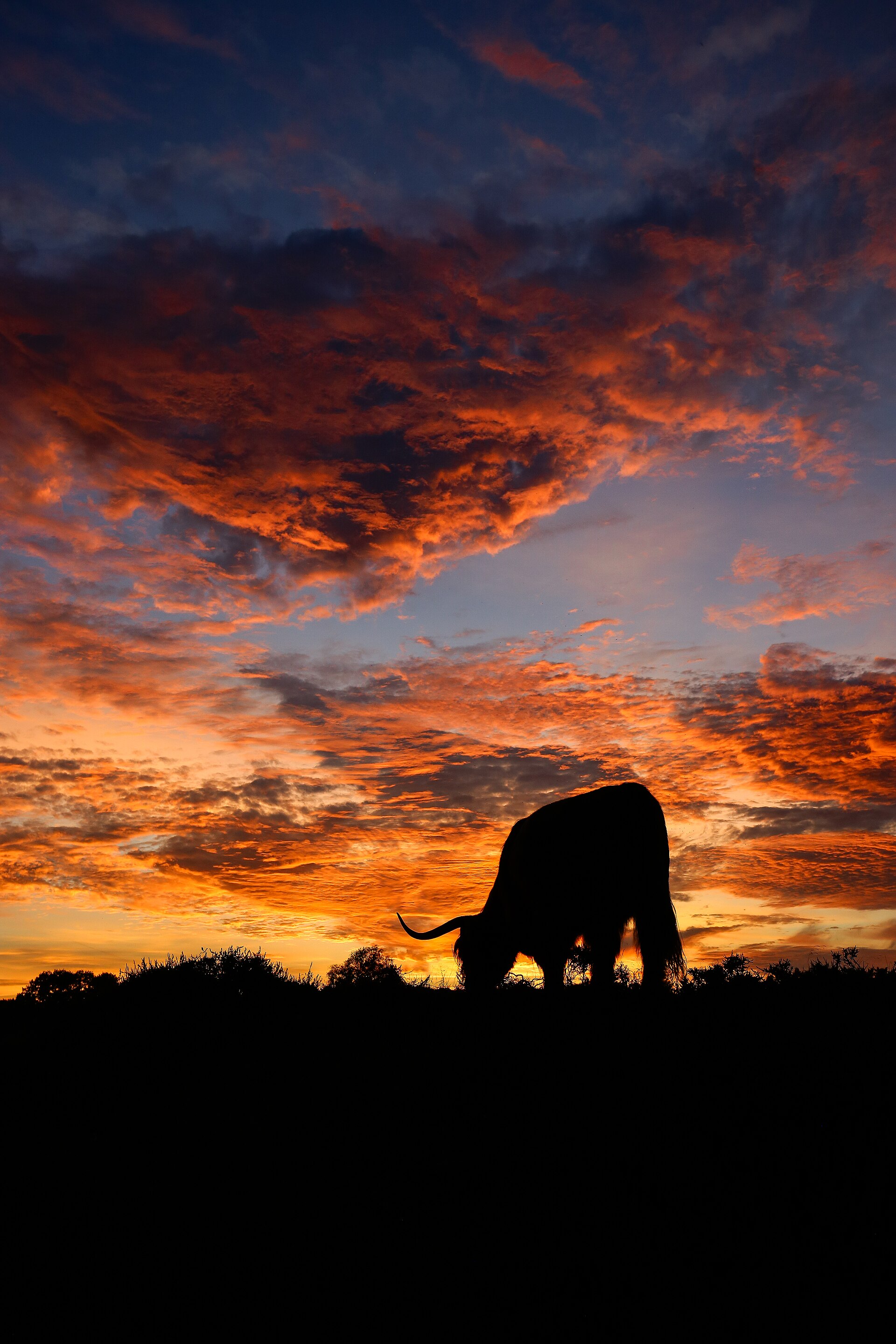
Scottish Highland cattle are instantly recognizable: long horns, a shaggy double coat and a calm, curious temperament. But the breed is more than a good-looking animal. It was developed over centuries in the Highlands and Western Isles of Scotland, where cold, wet weather and sparse forage rewarded cattle that could thrive on grass alone.
Built for pasture, not feedlots
A Highland's outer coat sheds rain and snow while the soft undercoat insulates, so the animal stays comfortable outdoors without needing a heavy layer of fat to stay warm. That is part of why the breed is often described as producing lean, fine-grained beef. Highlands are also efficient foragers: they do well on the steep, mixed pasture we manage in Pennsylvania's Allegheny Highlands, which is why they are a natural fit for rotational grazing.
Slower growth, deeper flavor
Highland cattle mature more slowly than many commercial beef breeds. For the farmer that means patience; for the cook it often means beef with a pronounced, clean flavor. Because the meat is lean, it rewards careful cooking: pull steaks a few degrees before your target temperature, rest them, and give roasts low, moist heat. Our guide to cooking grass-finished steak covers the details.
Highland and Angus together
On our farms Highland genetics sit alongside Black Angus, which adds maternal strength and consistent beef quality. You can read more about the breed in our history of Scottish Highland cattle, or visit the American Highland Cattle Association for breed standards and registry information.
How to try it
Shop individual beef cuts or specialty boxes, or reserve a quarter, half or whole beef for the freezer. Choose 100% grass-finished or grain-finished where both are offered. Questions? Call the farm at (412) 559-2320.
A breed shaped by its landscape
The Highland breed is among the oldest registered cattle breeds, and its traits were selected by geography long before anyone wrote a breed standard. Cattle that could not winter outdoors on rough hill ground, calve without help and stay sound on poor forage simply did not leave descendants. What remains is a naturally hardy animal that asks little of the farmer beyond good pasture, clean water and room to move.
That hardiness is a practical advantage for a grass-based farm. Highlands browse as well as graze, working through brush and coarse growth that other cattle ignore, and their long legs and sure footing suit hillside paddocks. Moving them to fresh ground on a regular schedule keeps the pasture healthy and the animals content, which is the core idea behind the rotational grazing we practice.
What lean really means at the table
Highland beef is often described as lean, and that word deserves some explanation. The animals do not rely on a thick layer of back fat for warmth, so there is less exterior fat to trim, and the meat tends to show less of the heavy marbling associated with feedlot-finished beef. That does not mean the beef is dry or lacking in flavor. It means the flavor comes from the meat itself rather than from rendered fat, so the taste is clean and distinctly beefy.
The trade-off is that lean cuts have less margin for error. A ribeye or strip steak is best seared hard and quickly, then rested for several minutes so the juices settle. Roasts, brisket and shank benefit from gentle, moist heat such as a braise, which turns connective tissue tender without drying the muscle. Ground beef from lean cattle makes excellent burgers and meat sauces; add a splash of oil or a little butter to the pan if you want extra richness.
Grass-finished and grain-finished choices
How an animal is finished affects the eating experience as much as its breed. Grass-finished beef eats forage for its whole life and usually tastes more mineral and herbal, with a firmer bite. Grain-finished beef is fed grain for a period before harvest, which adds marbling and a milder, richer taste many people grew up with. Where both are offered on our beef shop, you can choose the style that suits your kitchen, and our grass-finished vs. grain-finished guide compares them side by side.
Why we keep Highlands in Pennsylvania
Pennsylvania's Allegheny Highlands share a lot with the Scottish uplands the breed came from: cool summers, plentiful rain, steep ground and cold winters. Highland cattle are comfortable in exactly those conditions, which is why they have done well here and why we keep them alongside our other herds. Raising an animal in a climate it was bred for means fewer inputs and less stress, and that is a good starting point for beef we are proud to sell direct.
Planning a purchase
If you are curious but unsure where to begin, start with a few individual cuts or a specialty box so you can taste the difference before committing to a freezer order. Cooks who already know they like the beef can reserve a share. Our post on buying local beef near Pittsburgh explains how the options compare, and the beef cuts guide shows what comes from each part of the animal and how to cook it.
Quick answers
Is Highland beef lean?
Highland cattle tend to carry less external fat than many commercial breeds, so the meat is lean with fine grain. Cook it a little gentler than heavily marbled beef and rest it before slicing.
How long do Highland cattle take to mature?
They generally mature more slowly than many commercial beef breeds. We give them the time they need on pasture rather than rushing them to market.
Are Highland cattle good for small farms?
Yes. They are hardy, efficient foragers and calm to handle, which is why many small and mid-size farms keep them. See our breeding stock page for animals we raise.
What cuts come from a Highland?
The same cuts as any beef animal: steaks such as ribeye and strip, roasts, brisket, short ribs, ground beef and soup bones. Browse them in the beef shop.