Buying Local Beef Near Pittsburgh: Cuts, Boxes or a Freezer Share?
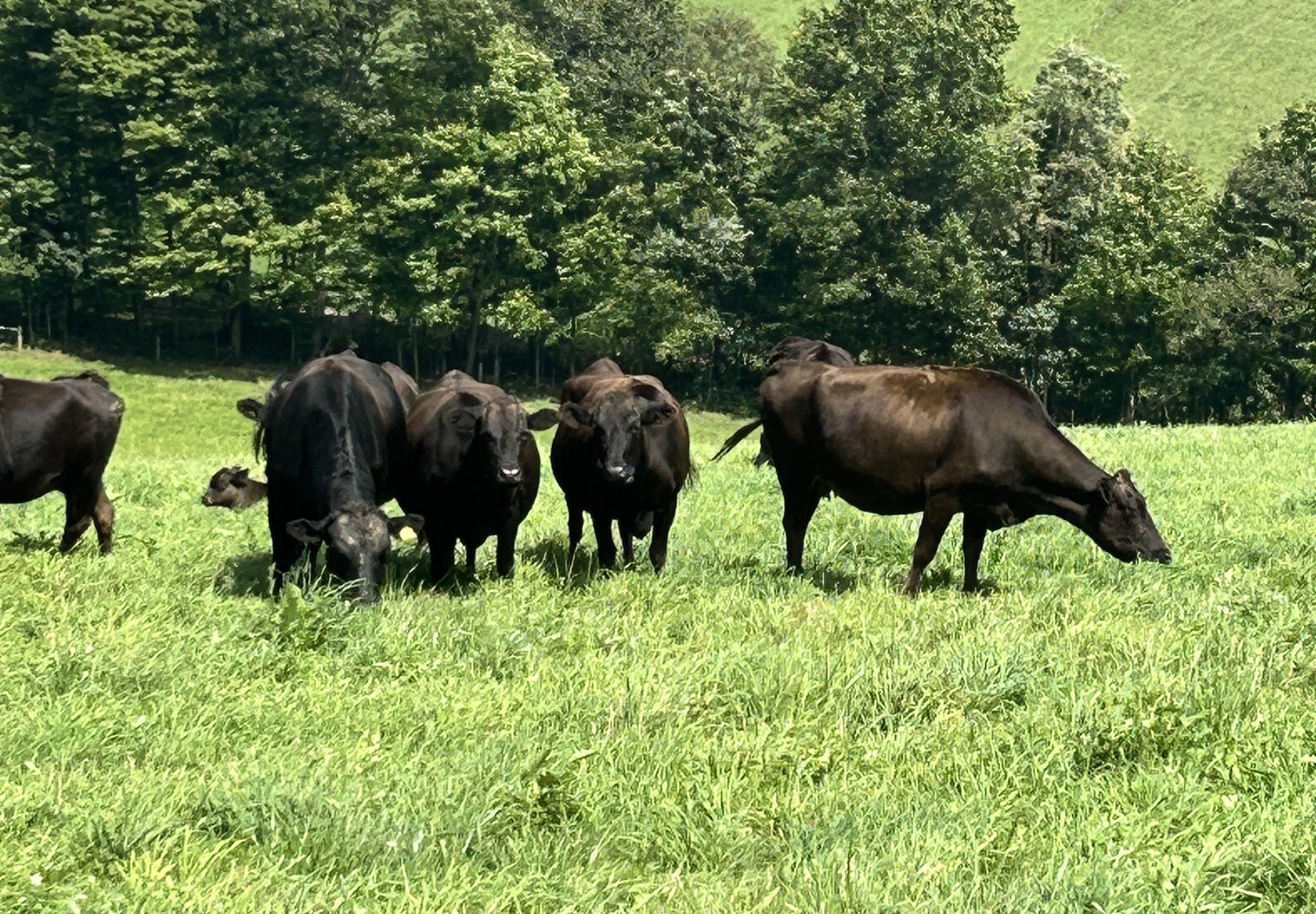
If you live in the Pittsburgh area and want to know where your beef comes from, buying direct from a farm is the simplest way to do it. There are three common ways to buy from our family farm near Pittsburgh, and the right one depends on how often you cook beef and how much freezer space you have.
1. Individual cuts
Best for trying the farm out or filling gaps in the freezer. Order the steaks, roasts, ground beef and specialty cuts you will actually cook this month. This is the most flexible option, and the price per pound is higher than buying in bulk.
2. Specialty boxes
Boxes bring together cuts families use most so you do not have to pick one by one. Browse the grill, steakhouse and family freezer boxes. They make a good first order and a good gift.
3. A quarter, half or whole beef
The best value per pound and the most variety, with steaks, roasts, ground beef and more in one order. A reservation deposit holds your share, and the farm confirms timing and cutting details with you directly. As a rough guide, plan about one cubic foot of freezer space for every 25 to 35 pounds of packaged beef. Our guide on how to buy a quarter, half or whole beef walks through what to expect.
Grass-finished or grain-finished?
Where both are offered you can choose. Grass-finished beef is forage-only and tends toward a leaner, more mineral flavor; grain-finished has more marbling and a more traditional steakhouse profile. Our grass-finished vs. grain-finished guide explains the difference.
Delivery and pickup
Read how we arrange pickup and delivery across Pennsylvania, or call (412) 559-2320 and we will help you pick the right option.
Why buy direct from a farm?
Buying beef from the farmer who raised it shortens the chain between pasture and plate. You can ask how the cattle were raised, what they ate, how they were finished and how the meat was processed, and you get answers from the people who made those decisions. Many households also find that buying direct changes how they cook: instead of choosing from whatever is in a grocery case, you plan meals around a freezer stocked with a known variety of cuts.
Matching the option to your household
A couple who cooks beef twice a week uses very different amounts than a family of six. Start by estimating how many beef meals you cook in a month, then multiply across the year. A household that eats beef once a week might use around 50 pounds in a year, while a larger family or one that entertains often can easily use several times that. If you are unsure, individual cuts and boxes are a low-commitment way to find out how fast your freezer empties before reserving a larger share.
Getting your freezer ready
If you plan to buy a quarter, half or whole beef, prepare your freezer before the order arrives. A standalone chest or upright freezer holds temperature better than the freezer compartment of a refrigerator, and keeping it between one half and three quarters full makes it more efficient. Clear shelf space, plan where ground beef, steaks and roasts will go, and keep a simple inventory list on the door so cuts get eaten while they are at their best.
Cooking through a freezer share
A share contains a wide mix of cuts, so it helps to have a plan. Cook steaks such as ribeye, strip and sirloin over high heat, braise tougher cuts such as chuck, shank and short ribs, and slow-roast the larger roasts. Ground beef is the workhorse: use it for burgers, chili, meatballs and weeknight skillet meals. Our beef cuts guide and steak-cooking guide are useful references to keep handy.
Questions worth asking any farm
Whichever farm you buy from, a few questions help you compare fairly. Ask how the cattle are finished, whether the beef is dry-aged or not, who processes the meat, what the packaging looks like and how pickup or delivery works. Ask what happens if a cut is unavailable or if the final weight comes in a little different from the estimate. A good farm will answer plainly, and we are glad to do the same when you call.
A simple way to start
For most Pittsburgh-area households, a sensible path is to begin with a box or a handful of favorite cuts, cook them over a few weeks, and note what the family liked best. That tells you which cuts you want more of and whether a larger share makes sense for your kitchen and your freezer. When you are ready, our quarter, half and whole beef page shows how reservations work.
Seasonal timing
Many families like to stock the freezer in autumn, ahead of holiday cooking and winter braises, while others prefer spring so they have ground beef and steaks ready for grilling season. Because availability depends on the animals and the processing schedule, it helps to call early, tell us roughly when you would like beef, and let us confirm timing directly with you.
Quick answers
How much beef is a quarter, half or whole?
A whole beef yields several hundred pounds of packaged meat; a half and a quarter are proportionate. The farm confirms expected weights and cutting options when you reserve.
How do I store a freezer share?
Beef is vacuum-packed or tightly wrapped and kept at 0°F or below, where it stays at its best for a year or more. Label by cut and date when you load your freezer.
Can I visit the farm?
Call (412) 559-2320 to ask about pickup arrangements and visiting; we coordinate directly with each customer.
Is delivery available?
We arrange pickup and delivery across Pennsylvania. See where we serve for details.